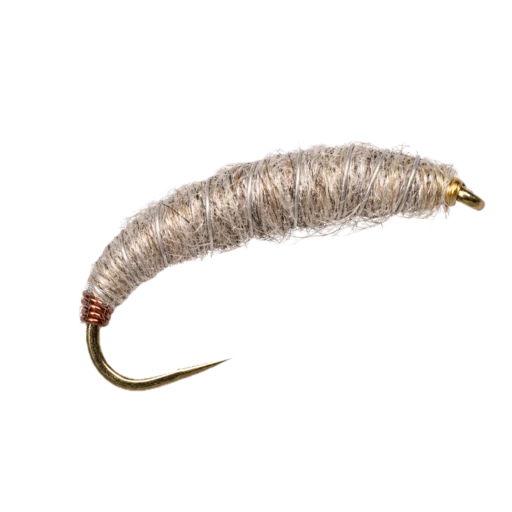
Set up a broadside drift and cover the water systematically. Work a bushy searching pattern on the bob and drop a contrasting nymph on the point. Keep a sedge-style dry or emerger on a short leader for the evening rise.
If the main plan is not working, switch to a smaller, more imitative pattern fished slower and deeper. A change of drift angle can also make a difference.
Evening tends to be the best period in summer — stay late if you can for a sedge or spinner fall.
A gentle ripple is ideal for drifting — broadside drift covering the wind lanes should be productive.
Hatch predictions
Top nymph shown — see all 2 guilds with Pro.
Start free trial14-day free trial. Cancel anytime.
Hatch predictions
Top prey shown — see all 5 with Pro.
Start free trial14-day free trial. Cancel anytime.
Numbers are intensity 0 (none) to 3 (peak) — a guide, not a guarantee.
- In the Þingvellir national-park area, the season is 20 April to 15 September
- From 20 April to 1 June only fly is allowed and all brown trout must be released
- Fishing is forbidden in Öxará and at its mouth, and Hallvík closes from 1 July to 31 August.
A reasonable day here, though cloud isn't quite in the sweet spot.
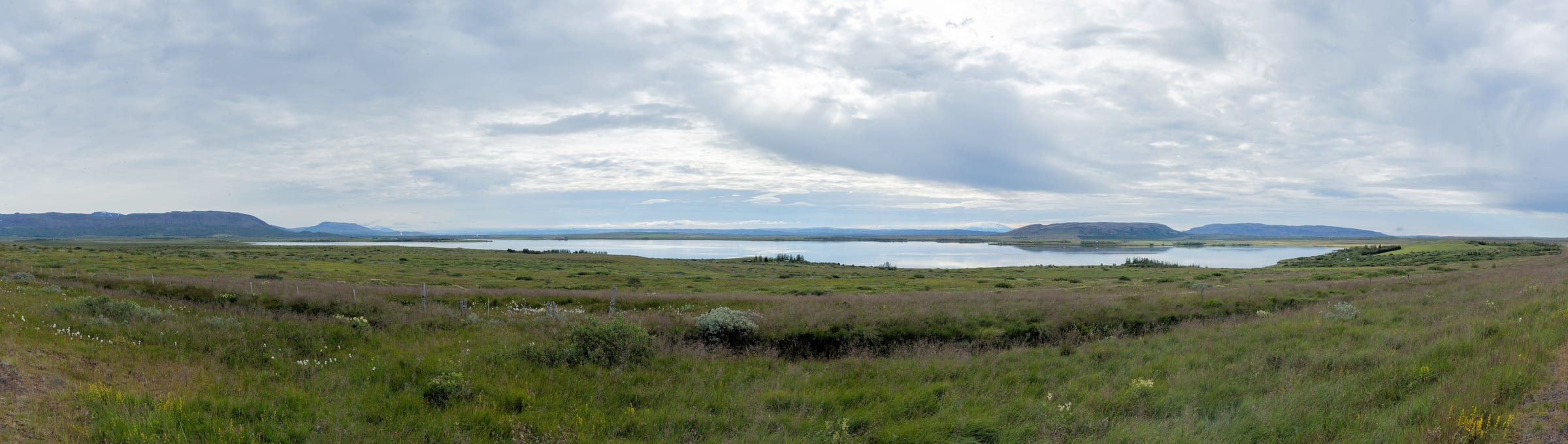
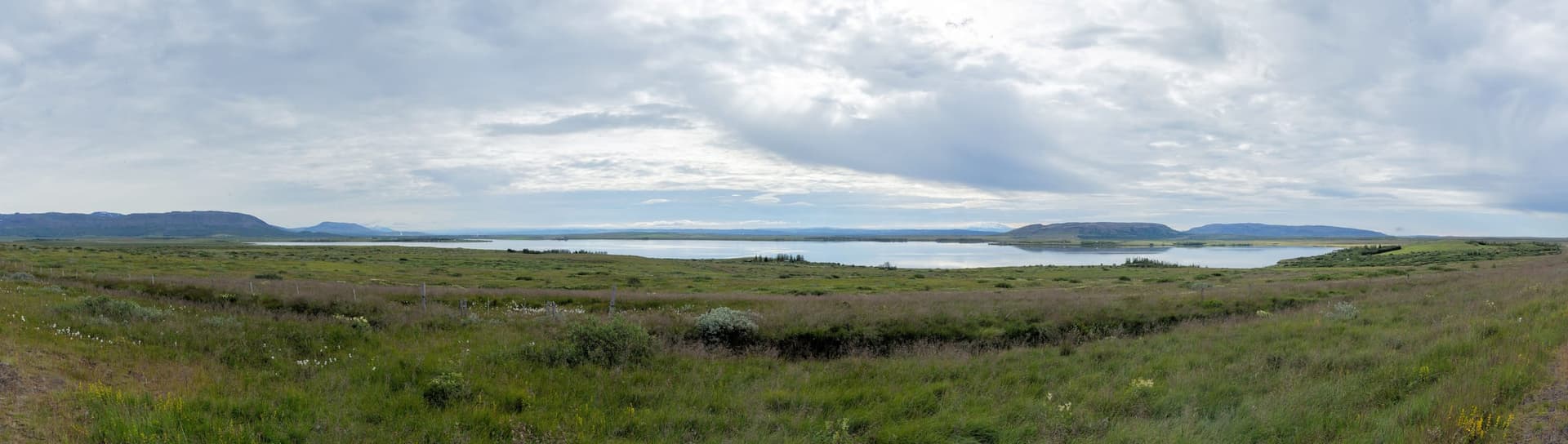
Þingvallavatn panorama 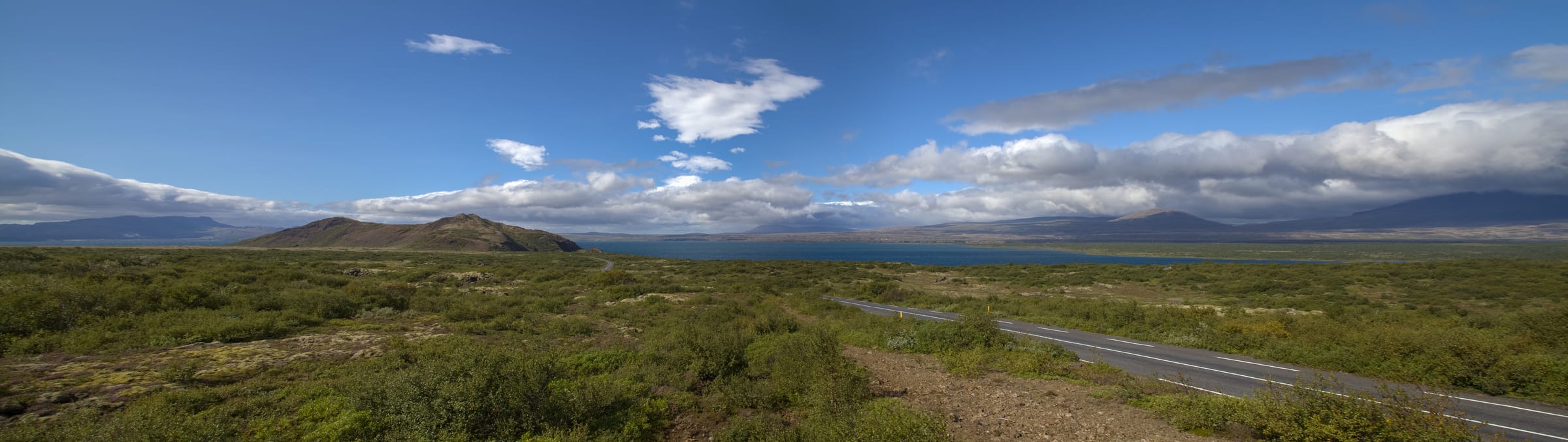
Þingvallavatn from Hakið 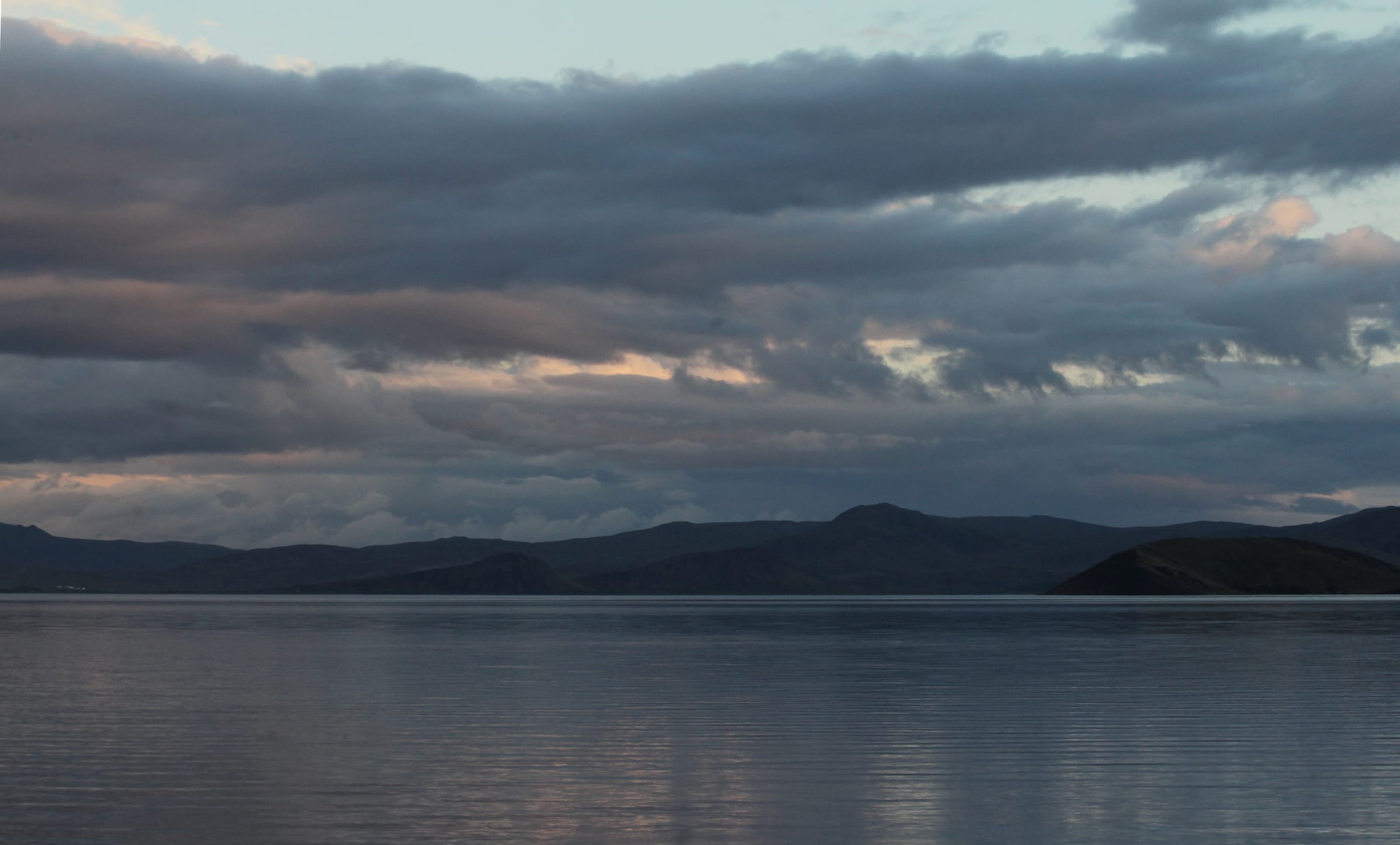
Þingvallavatn evening 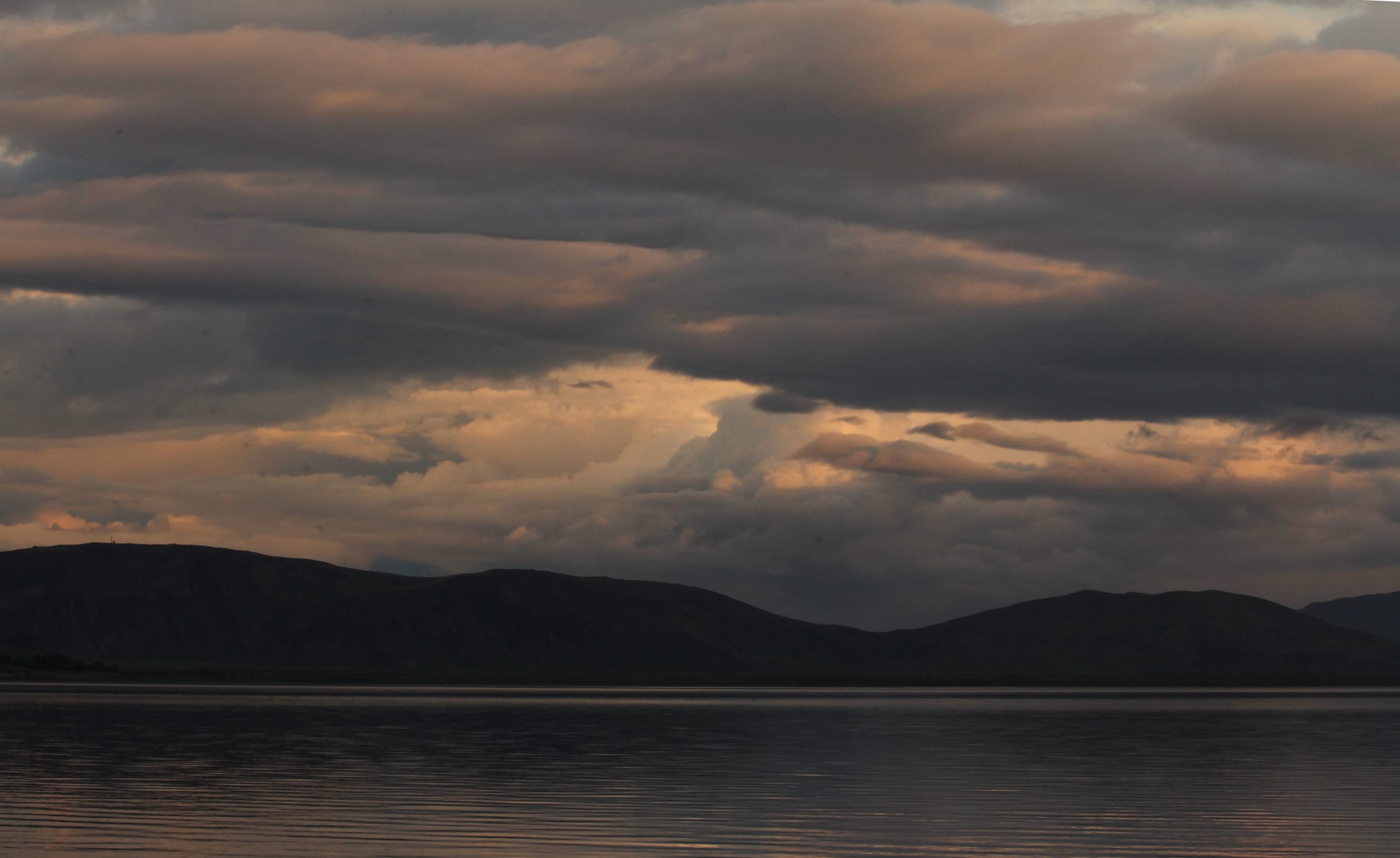
Þingvallavatn at sunset 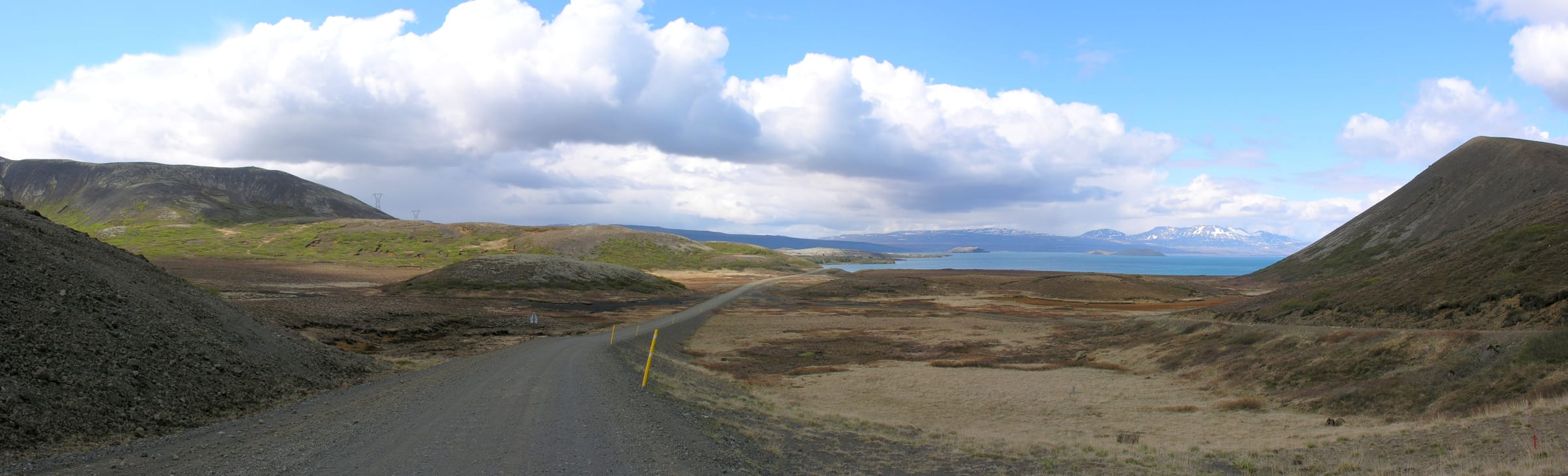
Þingvallavatn and lava shore Terrain map
- summer conditions with clear skies and breezy wind.
- Trout 20 April → 15 September
- Char 20 April → 15 September
Þingvallavatn holds four genetically distinct Arctic char morphs (farðableikja, murta, kuðungableikja, ljósbleikja) — a world-unique conservation resource. Season: 20 April – 15 September per Þingvellir National Park rules. AREA CLOSURE: fishing forbidden in Hallvík 1 July – 31 August (char spawning). METHOD: fly only until 1 June; fly/spoon/worm from 2 June. One rod per licence. Obtain permit from Þjóðgarðurinn á Þingvöllum before fishing.
Þingvallavatn
Set up a broadside drift and cover the water systematically. Work a bushy searching pattern on the bob and drop a contrasting nymph on the point. Keep a sedge-style dry or emerger on a short leader for the evening rise.
If the main plan is not working, switch to a smaller, more imitative pattern fished slower and deeper. A change of drift angle can also make a difference.
Evening tends to be the best period in summer — stay late if you can for a sedge or spinner fall.
A gentle ripple is ideal for drifting — broadside drift covering the wind lanes should be productive.
Hatch predictions
Top nymph shown — see all 2 guilds with Pro.
Start free trial14-day free trial. Cancel anytime.
Hatch predictions
Top prey shown — see all 5 with Pro.
Start free trial14-day free trial. Cancel anytime.
Numbers are intensity 0 (none) to 3 (peak) — a guide, not a guarantee.
- In the Þingvellir national-park area, the season is 20 April to 15 September
- From 20 April to 1 June only fly is allowed and all brown trout must be released
- Fishing is forbidden in Öxará and at its mouth, and Hallvík closes from 1 July to 31 August.
A reasonable day here, though cloud isn't quite in the sweet spot.
Þingvallavatn panorama Þingvallavatn from Hakið Þingvallavatn evening Þingvallavatn at sunset Þingvallavatn and lava shore Terrain map
- summer conditions with clear skies and breezy wind.
- Trout 20 April → 15 September
- Char 20 April → 15 September
Þingvallavatn holds four genetically distinct Arctic char morphs (farðableikja, murta, kuðungableikja, ljósbleikja) — a world-unique conservation resource. Season: 20 April – 15 September per Þingvellir National Park rules. AREA CLOSURE: fishing forbidden in Hallvík 1 July – 31 August (char spawning). METHOD: fly only until 1 June; fly/spoon/worm from 2 June. One rod per licence. Obtain permit from Þjóðgarðurinn á Þingvöllum before fishing.