

Freestone · Granite · North East / Grampian

Dee (Aberdeenshire)

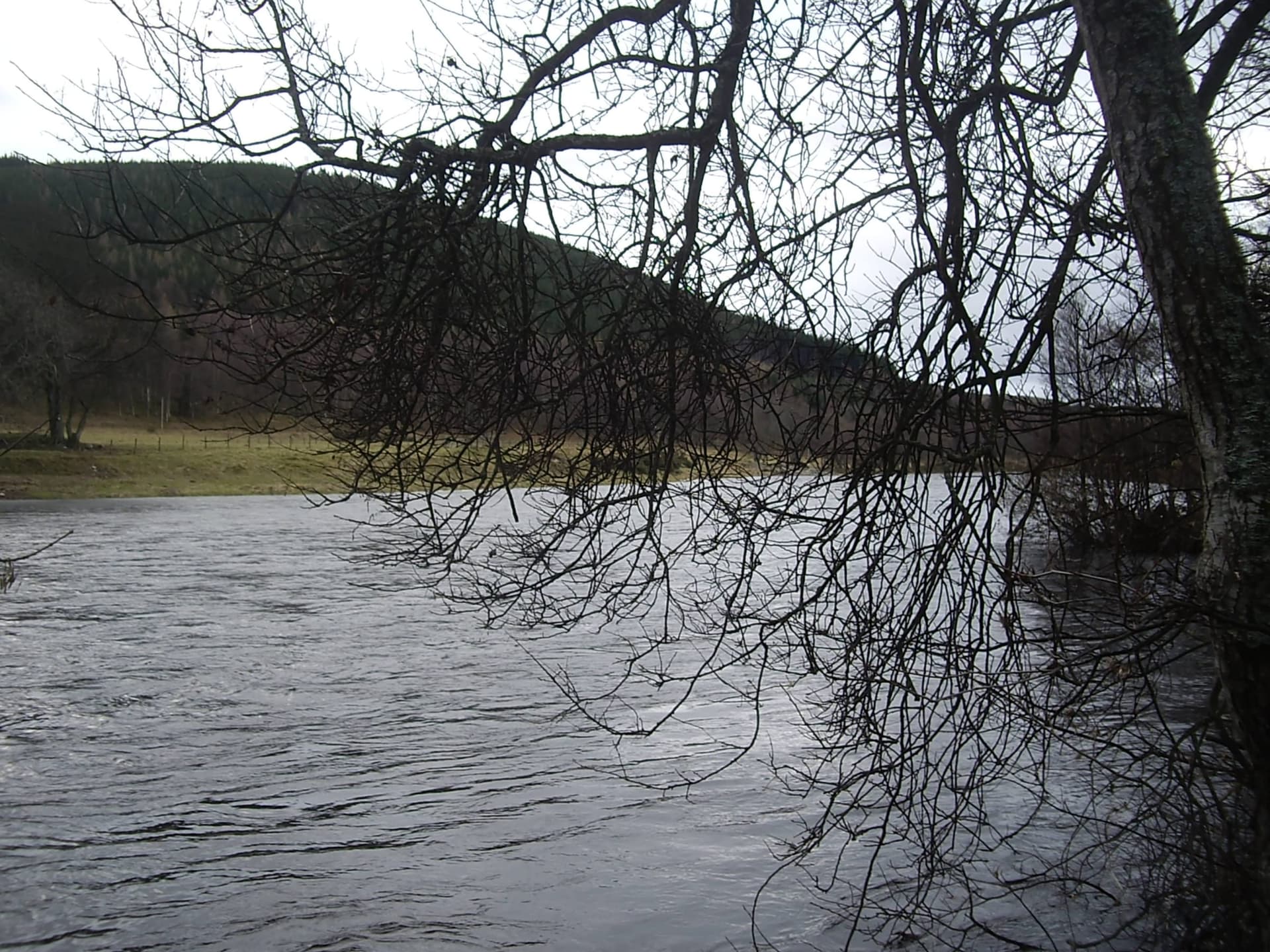
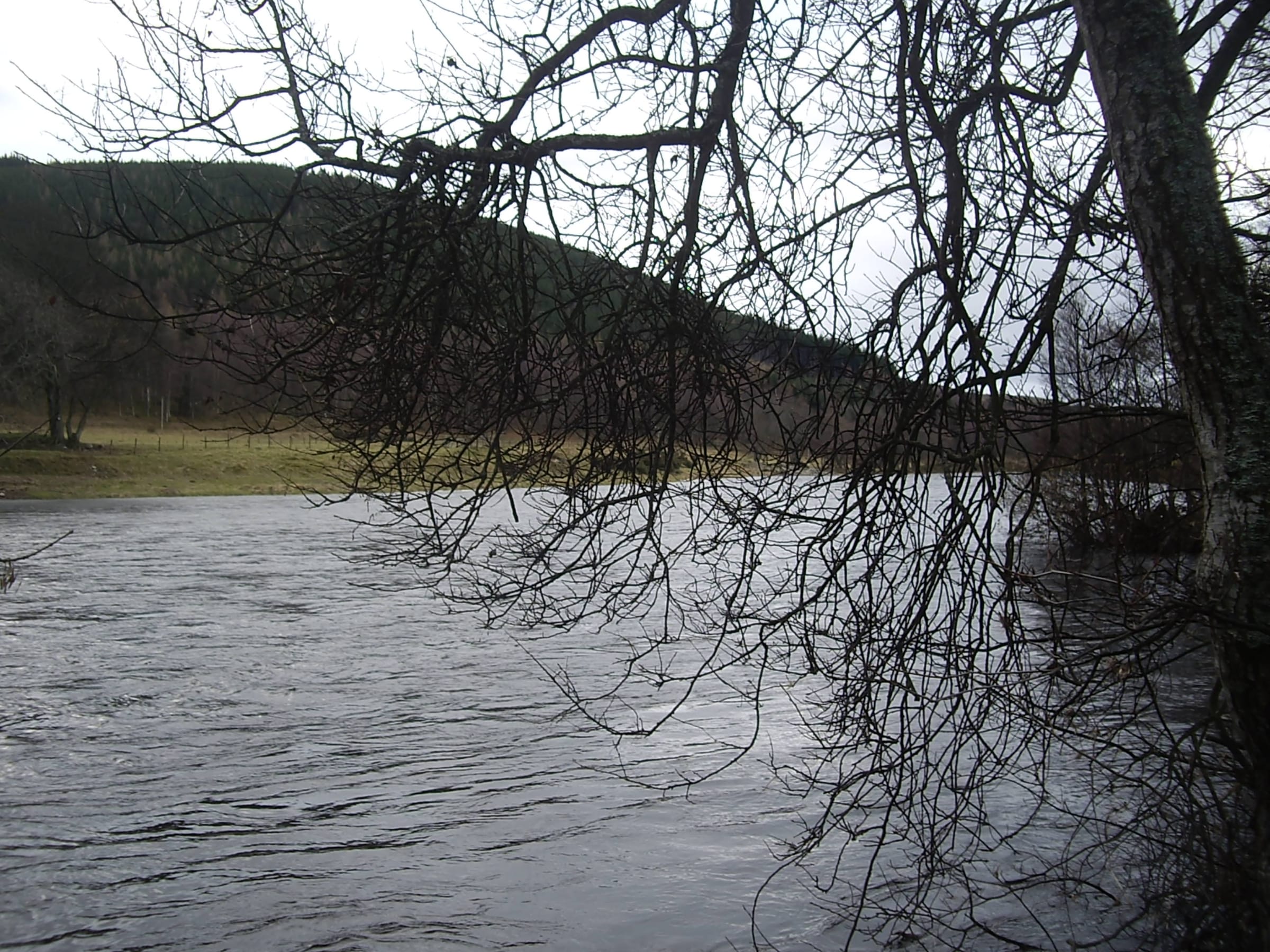
The River Dee at Ballater, Aberdeenshire, with clear water over a gravel bed and wooded banks.

The Dee in June is a grilse river — fresh 4–6 lb fish arrive from the sea into warming water (now 15–16°C, rising toward 18°C by late June) and take aggressively on small flies.

Poor · Atlantic Salmon
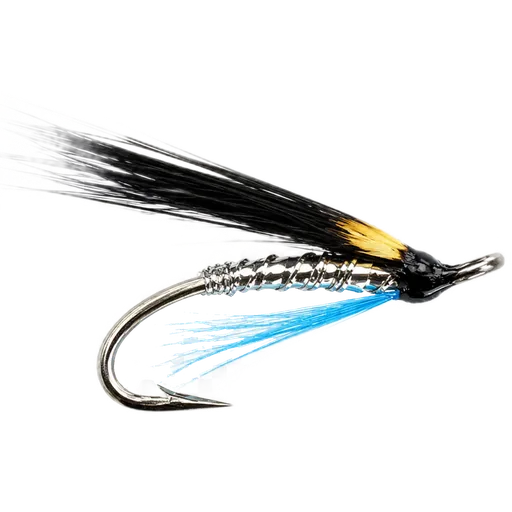
Crathie Fly · 10-14 on floater with long leader
Poorlive now
Slow going — better windows ahead
River dropping into shape after a lift. Little in your favour today. Fish the certain lies, or leave it for a better one.
85% confidence
What moved it
  • Level0.71 mDropping after lift
  • Water temp19.2°C
  • ClarityClear
Today's fly
Crathie Fly
Crathie Fly10-14 on floater with long leader
From the river-specific salmon pack.
Conditions on the water
Live gauge
Level
Steady
0.71 m
Dropping after lift
Water temp19.2°C
ClarityClear
Weather20°C
WindNW 17 km/h
Pressure1015 hPa
Rain · recent0.0 mm
Rain · ahead1.6 mm

The nearest gauge doesn't record temperatures, so we've estimated it — defer to the river keeper's advice.

Water temperature for Atlantic Salmon
Warm — slow
19°C est.ideal 1014°C
0°14°28°
How to fish it · for Atlantic Salmon
When
The classic Scottish spring salmon river. February through May for the heaviest fish; summer grilse from June; autumn fish to season-close 30 September. Category 3 stocks — C&R mandatory year-round.
Where
Royal Deeside beats from Park and Crathes through Glen Tanar to Mar Lodge. The granite water runs clear even at moderate height — accuracy and short to medium range matter more than distance.
Method
Spring: medium tubes (1 to 1.5 inch black-and-orange, red combinations) on sinking tip, fished slow through the deep holding lies. Summer: small doubles (#6–8 Munro Killer, Logie, Blue Charm). Mandatory C&R year-round on most beats; many fly-only.
Kit
13 ft #8 double-hander for spring; 12 ft #7/8 in summer. Sinking tip plus floater. 10 to 12 lb fluoro — finer than Tweed or Spey for the granite clarity.
Why this works
Conditions are looking excellent for salmon. Peak summer — grilse and summer salmon are active and willing. Small flies, lightly dressed, fished with purpose.
Hatch timeline · todayPeak at 5pm

Hatch predictions

Today's headline hatch shown — see all 9 active hatches hour by hour with Pro.

Start free trial

14-day free trial. Cancel anytime.

Sub-surface · on the nymphunder the surface

Hatch predictions

Top nymph shown — see all 3 guilds with Pro.

Start free trial

14-day free trial. Cancel anytime.

Beyond the hatch · worth watchingambient prey

Hatch predictions

Top prey shown — see all 2 with Pro.

Start free trial

14-day free trial. Cancel anytime.

Evidence
Survey-backed · regionalHigh confidence

Backed by regional invertebrate surveys; no sampling on this exact reach yet.

Through the year
0–3 scale · August highlighted
J
F
M
A
M
J
J
A
S
O
N
D
Salmon runRun
1
2
2
2
2
2
2
1
Green PeterHatch
2
3
2
Murrough (Great Red Sedge)Hatch
2
3
2
Daddy Long LegsHatch
2
3
2
Daphnia SwarmHatch
2
3
3
3
2

Numbers are intensity 0 (none) to 3 (peak) — a guide, not a guarantee.

Ranked for today
Atlantic Salmon fly box

A balanced Scottish river profile. Early season nymphs and spiders, then more dry-fly and emerger fishing as hatches strengthen on steadier glides and richer water.

Beats · 5 · 4 reaches

The Aberdeenshire Dee is a Category 3 river — declining stocks, mandatory catch-and-release, hard temperature rules. The Dee Conservation Code is the governing framework: no salmon or grilse may be killed at any time (100% C&R year-round); criminal offence to retain before 1 April; disinfect waders and nets; no treble hooks. Temperature protocol: do not fish if water exceeds 20°C; exercise caution above 18°C. Season runs 1 February to 15 October below Aboyne Bridge, 30 September above. The river holds over forty fly-only beats divided into Lower, Middle and Upper reaches — almost all private and booked in advance through FishPal, estate routes and ghillies. Lower and lower-middle beats fish best for spring springers and autumn fish; the middle Dee is the classic grilse-and-summer water (June–July peak); the upper river comes good as water warms mid-season. Confirm individual beat rules with FishPal before booking; conservation requirements are non-negotiable.

Lower Dee — Aberdeen to Crathes · 2 beatsMixed
Aberdeen and District Angling Association, Park, Crathes, Lower Crathes & Durris beats
The 2 beats
Aberdeen and District Angling AssociationMembers
Aberdeen and District Angling Association
The ordinary angler's route into the lower Dee — association water at the bottom of the river, the first fishery listed in the Lower Dee inventory. Early springers and late autumn fish use these lower beats; an affordable permit route rather than a premium estate beat. Confirm current club rules and permit outlets before travelling.
100% catch-and-release after 1 April; criminal offence to retain any salmon or grilse before 1 April. Fly only; no trebles; no Sunday fishing; disinfect waders and nets. Avoid fishing above 20°C, extra care above 18°C. Verify ADAA day-permit access and species.
Park, Crathes, Lower Crathes & Durris beatsAgent booking
Royal Deeside estates and proprietors (via FishPal)
The lower-river estate beats — Park, Lower Crathes & West Durris, Crathes Castle and the Durris/Drum water — come into their own for early-running fish in spring and again for autumn fish. Mostly ghillie-managed estate beats booked through FishPal. Sea trout enter from the estuary on the lower beats and are fished at dusk and dark.
100% C&R after 1 April; criminal to retain before 1 April. Fly only; no trebles; no Sunday fishing; disinfect waders/nets. Avoid fishing above 20°C, extra care above 18°C. Confirm beat services and rods individually.
Visit official site ↗
Cairnton, Ballogie, Carlogie, Dess, Birse & Aboyne WaterAgent booking
The classic Dee fly-water zone from Banchory up to Aboyne — Cairnton and Mid Blackhall (the home of the greased-line tradition), Ballogie, Carlogie, Dess, Birse and Aboyne Water.
Visit official site ↗
Upper Dee — Dinnet, Glenmuick to Mar LodgeAgent booking
The fast, bouldery upper river above Aboyne Bridge — Dinnet, Glenmuick and the Royal Deeside beats up through Balmoral and Mar Lodge Estate.
Visit official site ↗
Feugh tributary (Banchory)Enquiry
The Feugh joins the Dee at Banchory and is an important tributary for salmon and sea-trout movement, especially after a fresh rise.
What's coming
Plan ahead
5-day outlook
Water here around 19°C. Nothing cooler within range — carry a thermometer.
Gallery · 2
  1. The River Dee at Ballater, Aberdeenshire, with clear water over a gravel bed and wooded banks.
    River Dee at Ballater
  2. Terrain map of the venue
    Terrain map
About this water

The Dee in June is a grilse river — fresh 4–6 lb fish arrive from the sea into warming water (now 15–16°C, rising toward 18°C by late June) and take aggressively on small flies. This is the opening of the season's working water. Grilse arrive in the main pools and faster runs, not in the deep spring lies; fish them on a floating line with small doubles (#6–8), not the sinking-tip tubes of February–May. The river is granite-clear and cold-stone swift from the Cairngorms — wading demands care on algae-draped slabs, approach deliberate and sight-fishing possible in this light. The Dee Conservation Code is non-negotiable: do not fish above 20°C water, exercise caution above 18°C, mandatory catch-and-release year-round, and recognize that the Dee is Category 3, declining stocks. After June, spring salmon are archived history; summer grilse peak July; autumn brings October heavy fish before the 30 September close. Brown trout in the upper reaches respond to June sedge hatches and small olives. Grayling are dormant June–September. The Dee is fly-only water on most beats, reflecting both its status as a premium fishery and its conservation requirements.

Under the surface

The Dee arrives from the highest moorland in Britain. The Wells of Dee sit at over 1,200 metres on the Braeriach plateau — the highest source of any major river here — and for the entire 140 kilometres down to Aberdeen, you feel that altitude in the water. Everything is granite country: clear water over clean stone, the kind of clarity that comes when a river has run down through the Cairngorms and picked up nothing else. Upper Deeside is confined and steep, cut into the granite in step-pool and gorge. Named features mark the geometry: the Falls, the Chest, the Linn where the whole flow is compressed through a 300-metre rock slot. Wading here is serious work — granite slabs grow algae, the gradient is relentless — and the rock is the wading hazard. But in these gorges you see the Dee as it truly is: transparent enough that every lie, every obstruction, every pale spawning gravel shows itself with absolute clarity. Below Braemar, the river finds room to breathe. Through Royal Deeside the pools open on cobble and coarse gravel — still granite country, but broken down clean, without the silt and compromise that haunts other rivers. The sequences move gently: riffle into pool, pool into the next easy run. By Banchory the river has settled into longer glides, and the sense is of a stream that has found its proper pace, finally content.

Wading: Algal slick granite slabs in upper gorges

  • Granite
  • Mixed
  • Step pool
  • Pool riffle
Water quality (WFD)
  • EcologyGood
  • ChemicalGood

SEPA (Scotland) · UKSC023332

The full read · show the working · for Atlantic Salmon · confidence 85%
How the river scores — hydrology factors
Water heightMedium Ideal+4.1
Recent riseClear Recent Rise+8.1
Falling after liftStill Rising Hard-0.6
Water temperatureCool To Moderate+4.8
Time in seasonSummer Peak Window+1.7
ClarityClearing+2.4
Hydrology base20.5
Rules that fired
Rise Plus Good Temp Bonus+0.75
Will they take?Willingcaps the band

Fish should be willing to take — clearing, stained water, fresh fish moving on the lift.

Can you trust it?
Water temperatureair-to-water estimateestimated
Level / flowon-river gaugeobserved
What would change the calculation
No prolonged stable spell before the current rise.
Directions
Seasons & zones
  • Salmon 1 February30 September

Sea trout: Variable seasonal (2026)

Related guides
Casting instructors near here
Booking & contacts