
Stillwater · Volcanic · Bay of Plenty

Lake Rotorua

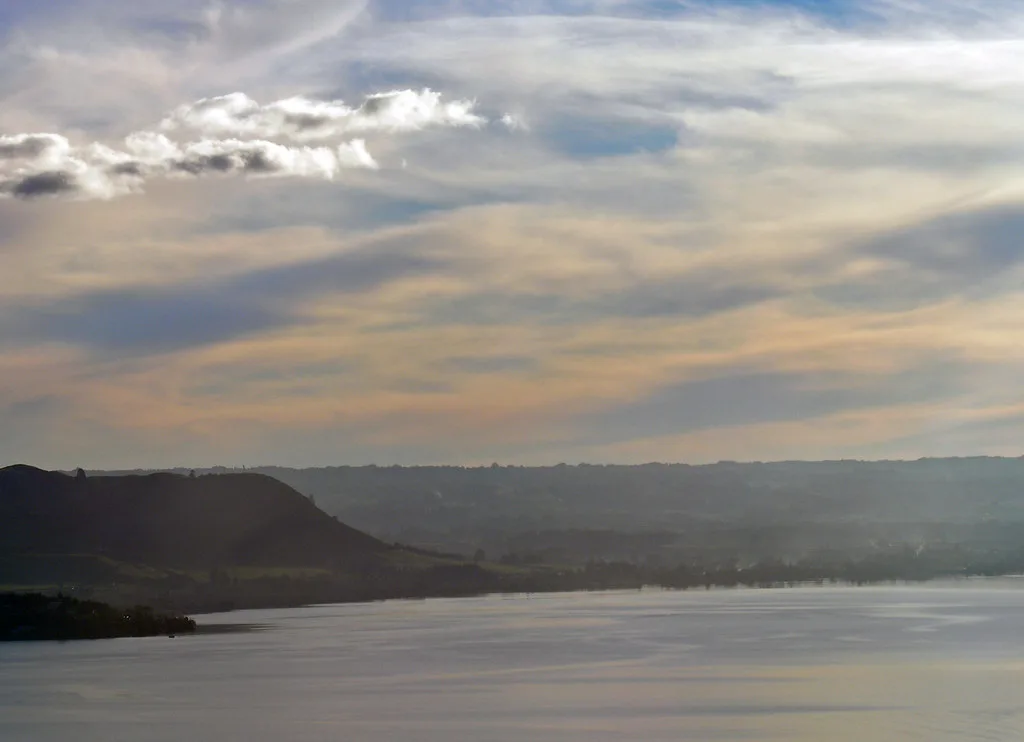
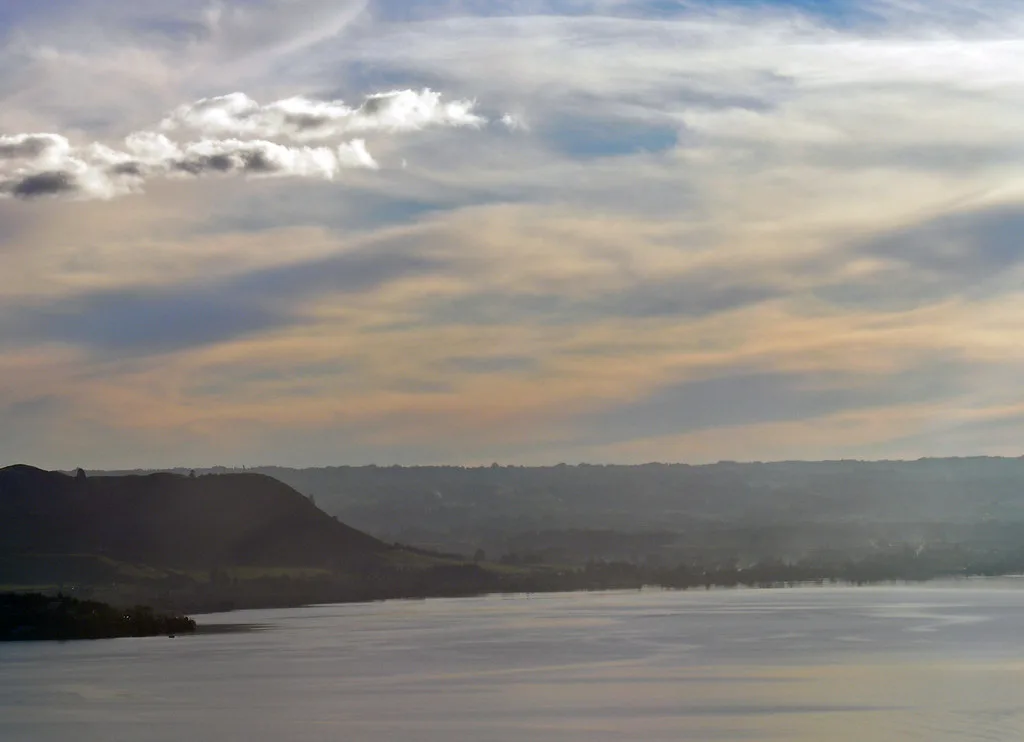
Lake Rotorua — Lake Rotorua, New Zealand, 28 June 2006

Lake Rotorua is the accessible heart of the Rotorua lakes — a rich, shallow, geothermal caldera lake that grows fast, well-conditioned rainbows.

Marginal · Rainbow
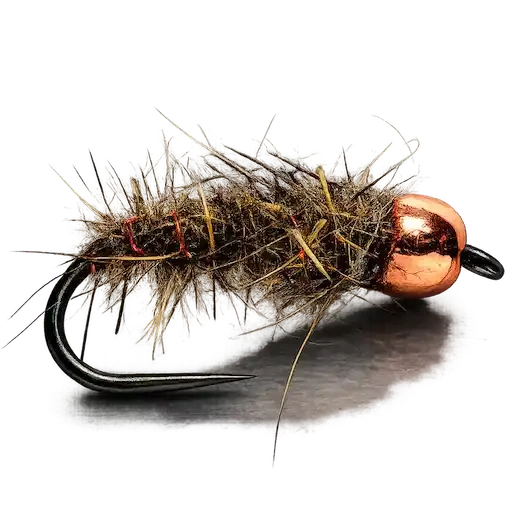
Hare & Copper Nymph · 12-16
A patient day, if you fancy it
Good wave on — drift country. Slow going — pick your moments and do not force it.
40% confidence
limited data

Lake Rotorua is often best in spring through autumn.

What moved it
  • WindS 17 km/hGentle breeze
Today's fly
Hare & Copper Nymph
Hare & Copper Nymph12-16
Proven pattern for this period
Conditions on the water
Live gauge
Wind
Gentle breeze
S 17 km/h
N
S
from the south
Wave20 cm ripple
Water temp
Air temp13°C
CloudBroken
Pressure1008 hPa
Rain · recent0.0 mm

Some readings unavailable — check directly before fishing.

How these readings are sourced

Weather-only: no live gauge. Read wind, water temperature and freshes at the stream mouths.

How to fish it · for Rainbow
When
No strong hatch signals at the moment — general searching tactics should work best. The ripple is helpful — fish should move onto the feed and a slow-drifted team or single wet will cover water well.
Where
Set up a broadside drift and cover the water systematically. Work a bushy searching pattern on the bob and drop a contrasting nymph on the point. When no hatch is visible, a buzzer team — black stripped quill on the point, attractor or pearl-rib on the top dropper — is the default starting point on any UK stillwater.
The plan
Plan A

Set up a broadside drift and cover the water systematically. Work a bushy searching pattern on the bob and drop a contrasting nymph on the point. When no hatch is visible, a buzzer team — black stripped quill on the point, attractor or pearl-rib on the top dropper — is the default starting point on any UK stillwater.

Plan B

If the main plan is not working, switch to a smaller, more imitative pattern fished slower and deeper. A change of drift angle can also make a difference.

Watch for

Evening tends to be the best period in summer — stay late if you can for a sedge or spinner fall.

Boat — drift

A gentle ripple is ideal for drifting — broadside drift covering the wind lanes should be productive.

Sub-surface · on the nymphunder the surface

Hatch predictions

Top nymph shown — see all 4 guilds with Pro.

Start free trial

14-day free trial. Cancel anytime.

Beyond the hatch · worth watchingambient prey

Hatch predictions

Top prey shown — see all 5 with Pro.

Start free trial

14-day free trial. Cancel anytime.

Through the year
0–3 scale · August highlighted
J
F
M
A
M
J
J
A
S
O
N
D
Brown BeetleHatch
2
3
2
Black MidgeHatch
2
3
3
3
3
3
3
3
3
3
3
2
Murrough (Great Red Sedge)Hatch
1
2
1
Lake OliveHatch
1
2
2
2
2
2
1

Numbers are intensity 0 (none) to 3 (peak) — a guide, not a guarantee.

Ranked for today
Rainbow fly box
Permits & access
Permit required — see local rules.
  • Eastern Fish & Game region — a Fish & Game licence is required (NOT a DOC Taupō licence)
  • Some Rotorua lakes have specific rules; check the current Eastern region Anglers Notice.
What's coming
Plan ahead
5-day outlook
Condition match
74%
Cloud100%
Wind65%
Temp60%

A good match for Lake Rotorua — most conditions are close to what it fishes best in.

Other water nearby · 2
Gallery · 2
  1. Lake Rotorua — Lake Rotorua, New Zealand, 28 June 2006
    Lake Rotorua, New Zealand, 28 June 2006
  2. Terrain map of the venue
    Terrain map
About this water

Lake Rotorua is the accessible heart of the Rotorua lakes — a rich, shallow, geothermal caldera lake that grows fast, well-conditioned rainbows. The classic fishing is the stream mouths (the Ngongotahā chief among them), fished on a fresh or a favourable wind, plus trolling and jigging over the lake. The wider district — Rotoiti, Tarawera, Okataina, Ōkareka and the rest — offers a whole tactical layer of lake-edge, stream-mouth and deep-water fishing across the seasons.

Under the surface

A broad, shallow caldera lake in the geothermal heart of the Bay of Plenty, steam drifting from its shores and a sulphur tang on the air. Warmer and richer than Taupō, it grows fast, hard-conditioned rainbows that gather at the stream mouths and over the cold-water springs, and its tributaries take a winter run.

Wading: Soft margins, geothermal areas, open water — boat/shore

Hatches & food

Spring smelt moving inshore to spawn draws trout to the margins, and Fish & Game highlight exceptional summer-evening fishing at the cold stream mouths (Awahou, Hamurana) with small nymphs alongside smelt and bully patterns — genuine prey activity, but no specific insect hatch has been documented for the lake.

  • Lake
  • Volcanic
  • Stillwater
  • River mouth
Why this score
  • Cloud cover (cloud) suits the fishery well.
Directions
Seasons & zones
  • Trout year-round (most Rotorua lakes)year-round

    Eastern Fish & Game licence required (not DOC Taupō). Legal status: guidance_not_permission — check the current Eastern Anglers Notice.

Related guides
Booking & contacts