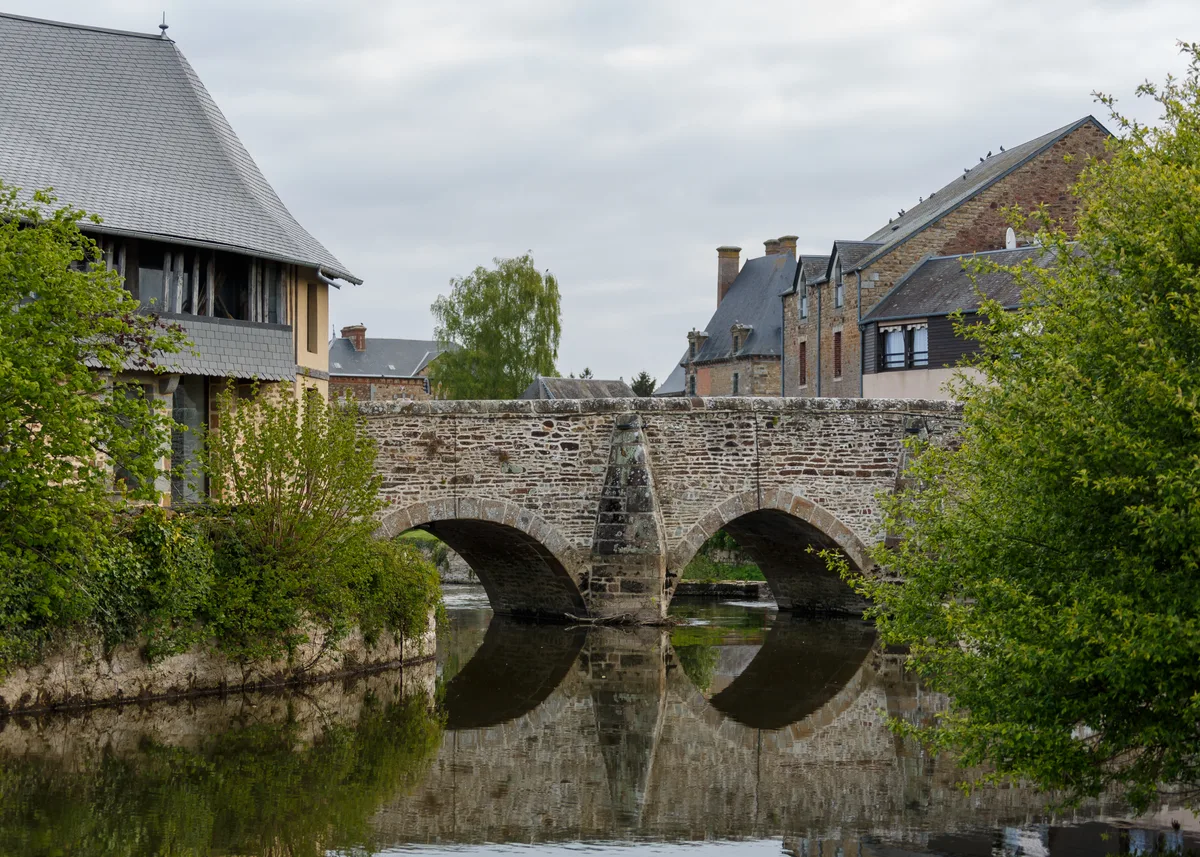


The Sélune is the most important river restoration project in European history. In 2021 and 2022 the Vezins and La Roche-qui-Boit dams were removed — the largest dam demolition ever undertaken on the continent — and roughly 90 kilometres of salmon habitat locked away for over a century was opened again to the Atlantic. Smolts emigrated from reaches that had not seen a salmon in 100 years within months of the reservoirs being drained. Adult fish followed. Salmon fishing is closed throughout the Seine-Normandie basin under the 2026–27 basin order, which is the right outcome for a population this early in its recovery. The river is still finding its shape: the bed is readjusting, gravel bars are forming, the thermal regime is stabilising. The upper beats above Ducey are increasingly productive for wild brown trout on a river that is still, in a real sense, being born. Treat the place with the respect the restoration deserves — disinfect your gear, and remember that every fish you meet is proof that a river can come back.
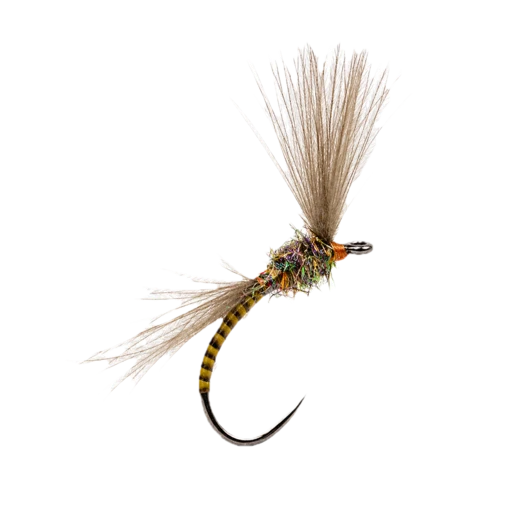
On Atlantic trout rivers in Normandy and Brittany, regional studies and on-the-bank experience point to spring mayflies as the main early driver, a strong band of spring and early-summer caddis as channels warm and open, background buzzer life ticking away right through the year, and terrestrials from wooded banks adding important surface food in summer and early autumn, with autumn olives extending sport wherever trout-season rules allow.
- Granite
