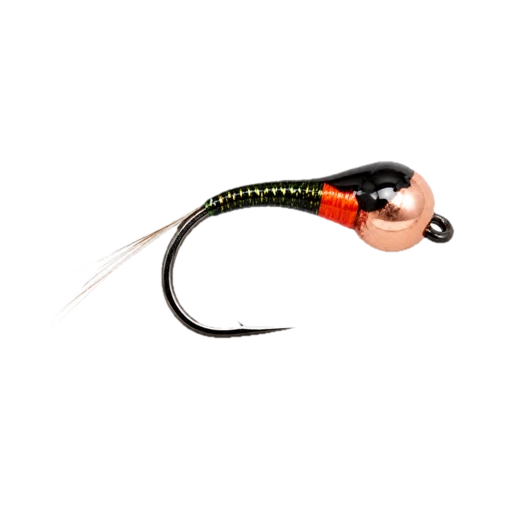


The Tarentaine rises in the Artense — that strange, high, lake-dotted country on the border of Cantal and Puy-de-Dôme where the Massif Central flattens into a sort of French version of Connemara — and runs south through pasture and granite to join the Rhue. Wild brown trout throughout, a useful population of grayling in the lower reaches, and hatches that track the season without any particular drama: baetis through spring, ephemeridae in early summer, caddis into July, terrestrials when the water is low. The Artense country above is lake country, so the Tarentaine has a slightly longer baseflow memory than you'd expect from a Massif Central stream. Not famous, which is the point. You fish it because you want somewhere quiet on a warm afternoon, and you leave thinking you should come back more often.
In freestone rivers of the Massif Central, resident brown trout feed through a spring build-up of olives and stoneflies into a long summer of caddis and small buzzers, with terrestrials becoming important from early summer; higher volcanic plateaux and colder headwaters tend to run later than the lower freestones.
- Granite