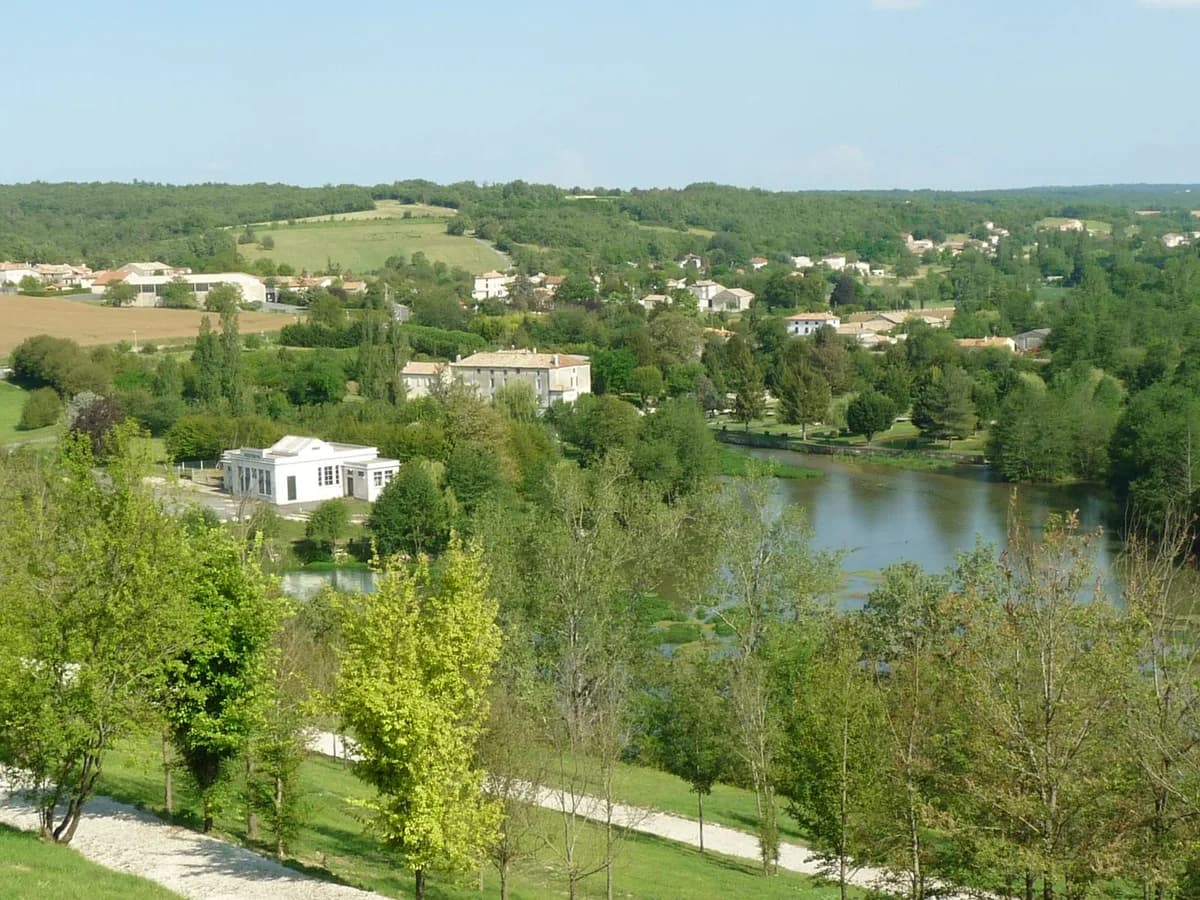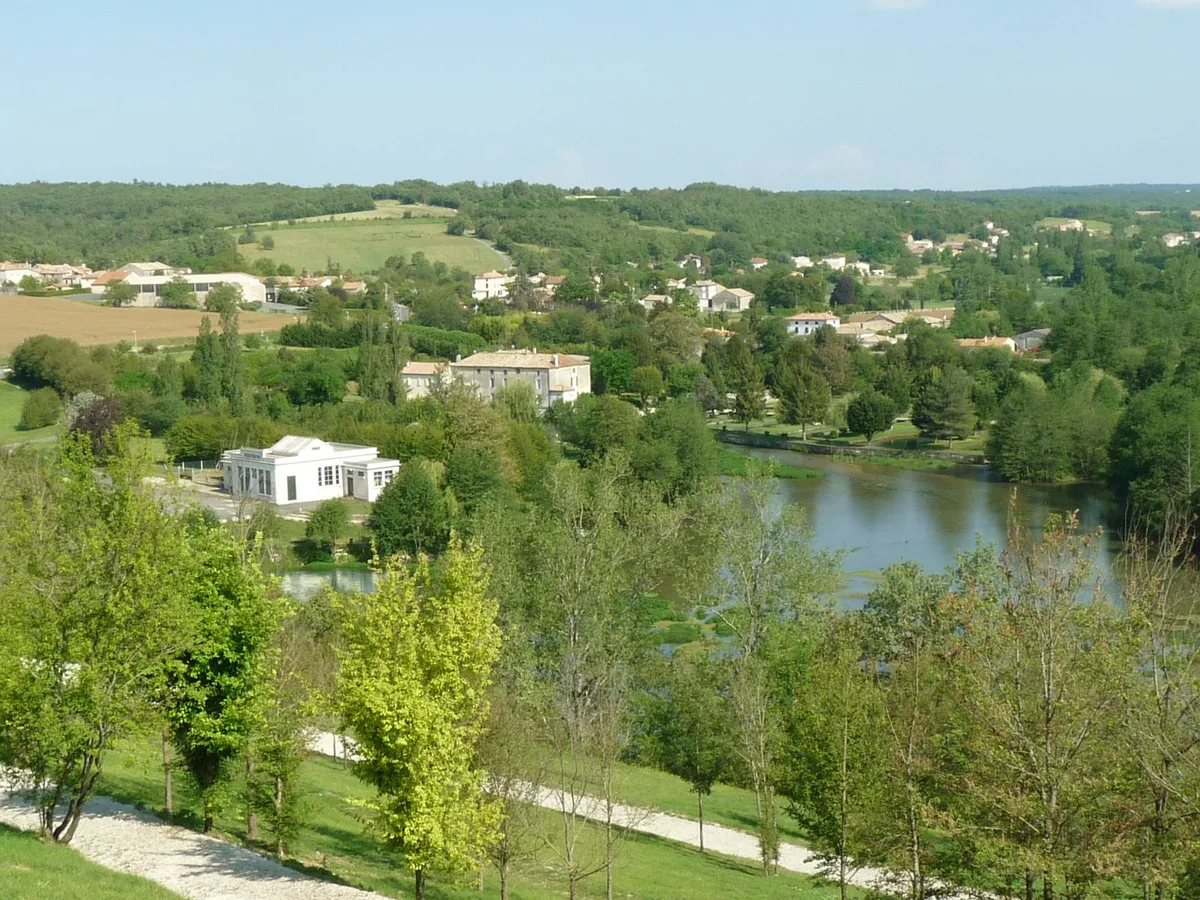
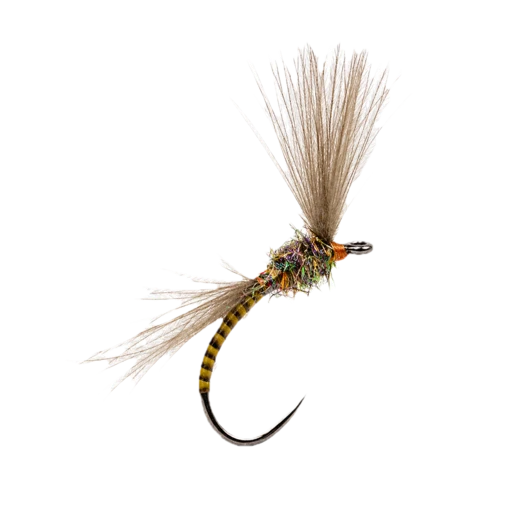

The Touvre is one of the great curiosities of French hydrology. It is only ten kilometres long, which should make it a footnote, except that it is one of the largest karst resurgences in Europe — a full-sized river that bursts out of a single spring complex at La Touvre, just east of Angoulême, and runs through ten kilometres of water-meadow before joining the Charente. The water is preternaturally clear, remarkably stable in flow and temperature, and the whole river has the slightly unreal quality that very well-buffered karst rivers sometimes do. The fishing is correspondingly special and correspondingly difficult. Wild brown trout live the full length of the fishable water, grown fat on the stable food supply that constant flow and temperature provide, and they are amongst the most selective fish on any French river. They can see you before you know they are there. They will inspect a fly that is one size too large and leave without taking it. They rise freely to small olives and terrestrials when conditions are right, but 'right' is a narrow band. Fish the Touvre the way you would fish the Itchen: sparingly, with great care, in the company of small flies and fine tippets, and accept that every fish you convert is earned. The river is short. There is no need to hurry.
In chalk-spring and karst trout systems, generally stable temperatures broaden olive and other mayfly activity from early spring into autumn, with strong evening caddis, steady subsurface scuds and buzzers where clear groundwater and weedbeds develop, and terrestrials from meadow and woodland banks rounding out the food calendar, depending on how fast each river drops and clears after rain.
- Limestone