
Freestone · Limestone · Nidderdale / Knaresborough

River Nidd

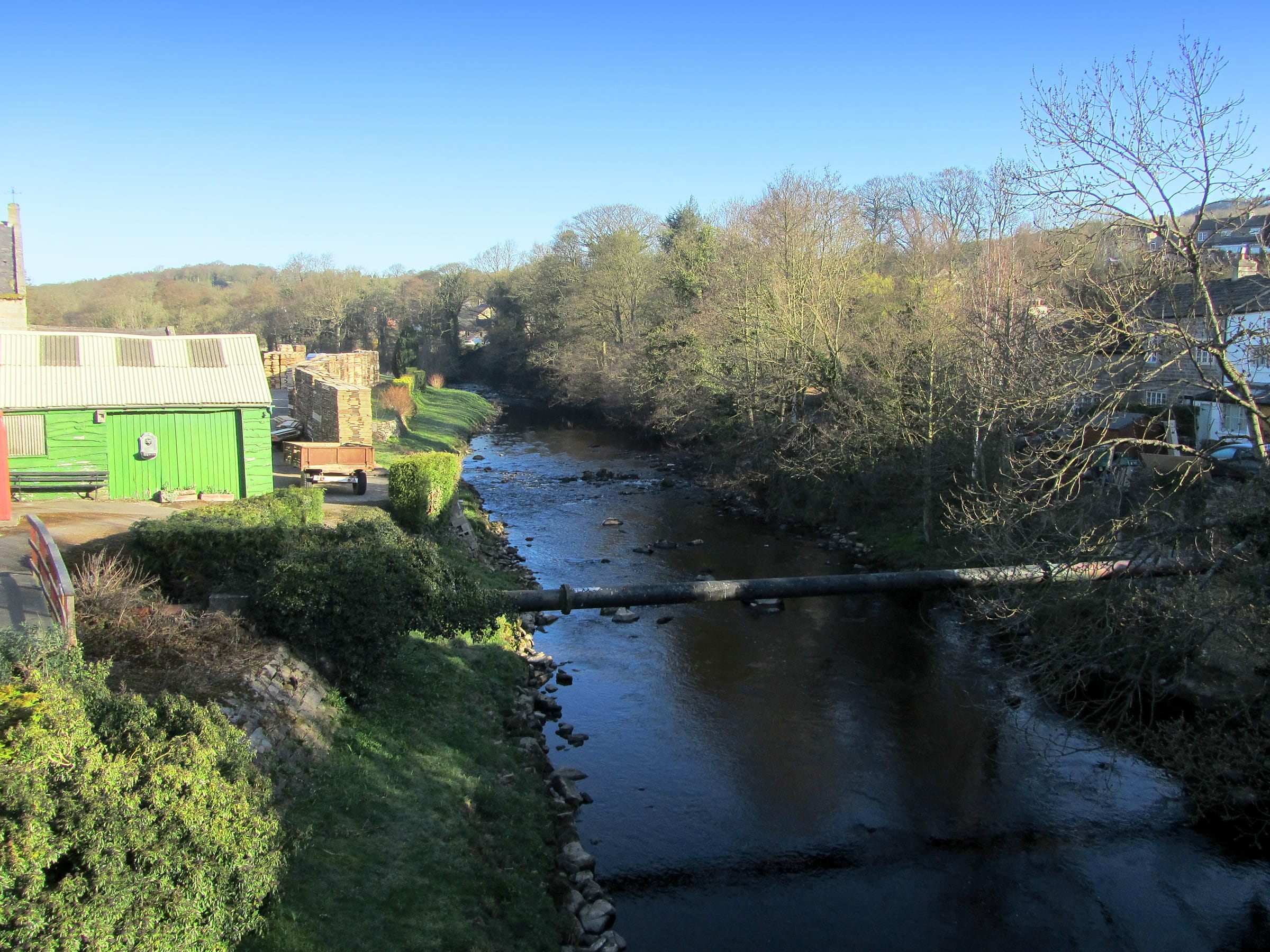
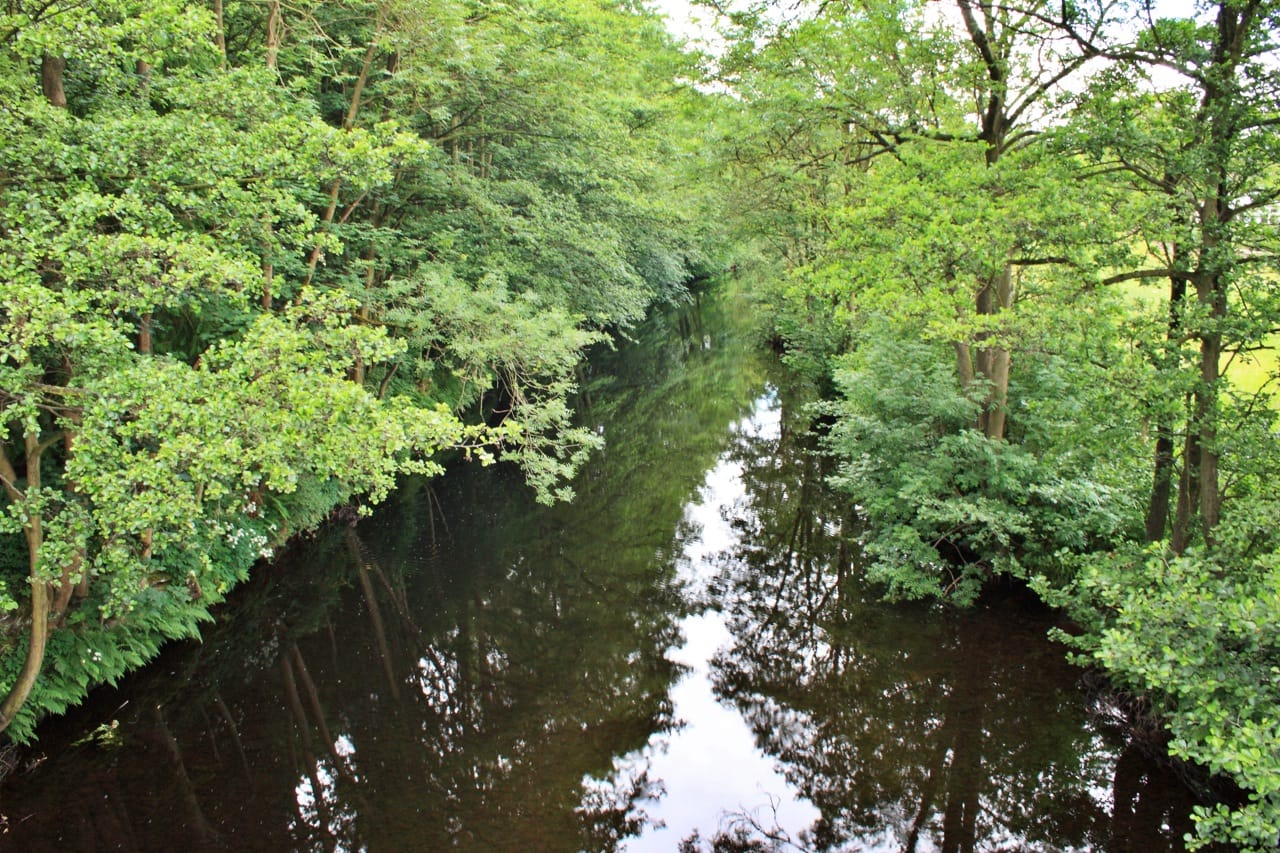
The River Nidd flowing through a wide wooded valley below Summerbridge in Nidderdale in late winter.

Tree-lined, intimate river that rewards subtlety more than distance.

Poor · Brown Trout
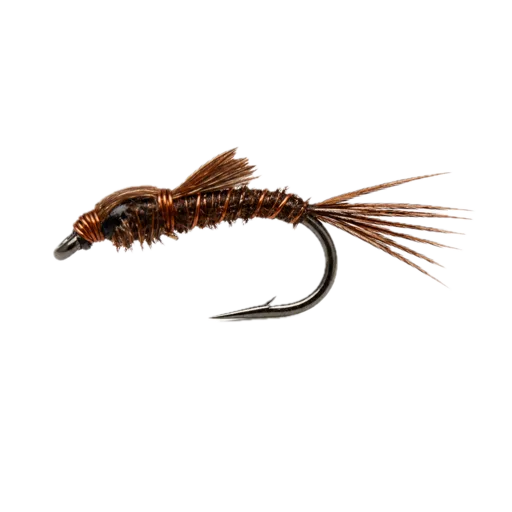
Pheasant Tail Nymph · 14-16
Poorlive now
Not the day for it
River temperature is the limiting factor today, not the flow. This is not the day to push it. Check the thermal advice above before you head out.
90% confidence
What moved it
  • Level0.42 mLast reading 2h ago
  • Water temp23.2°C
  • ClarityClear
Today's fly
Pheasant Tail Nymph
Pheasant Tail Nymph14-16
Upstream, sub-surface
Conditions on the water
Live gauge
Level
Steady
0.42 m
Last reading 2h ago
Water temp23.2°C
ClarityClear
Weather29°C
WindSE 12 km/h
Pressure1021 hPa
Rain · recent0.0 mm
Rain · ahead0.0 mm

Live readings — water temperature is an estimate where the gauge does not record it.

Water temperature for Brown Trout
Warm — slow
23°C est.ideal 1016°C
0°14°28°
How to fish it · for Brown Trout
When
Olives April through May; Mayfly late May into early June; sedges through summer; small dark flies into October.
Where
Pool tails and the seams behind boulders through Nidderdale. The river narrows below Pateley Bridge — read the pocket water carefully.
Method
Upstream dry to risers when olives or sedges are off; North Country spider on the swing in cooler water — Snipe and Purple, Partridge and Orange, Waterhen Bloa. Move upstream slowly, fish each lie properly.
Kit
9 ft #4 — Yorkshire freestone default. Floating line, 9 to 12 ft leader to 4 to 5 lb fluoro. Studded boots for slick stones.
Why this works
Water at 23.2°C. This is the line where catch-and-release kills brown trout. Do not fish for them today.
Beyond the hatch · worth watchingambient prey

Hatch predictions

Top prey shown — see all 2 with Pro.

Start free trial

14-day free trial. Cancel anytime.

Evidence
Survey-backed · regionalHigh confidence

Backed by regional invertebrate surveys; no sampling on this exact reach yet.

Updated 8 hours ago

Through the year
0–3 scale · August highlighted
J
F
M
A
M
J
J
A
S
O
N
D
Trout seasonSeason
1
2
2
2
2
2
1
Grayling seasonSeason
2
2
1
1
2
2
2
2
2
2
Daddy Long LegsHatch
2
3
2
GrannomHatch
2
2
Evening SedgeHatch
2
3
3
3
2
Large Dark OliveHatch
1
2
2
1

Numbers are intensity 0 (none) to 3 (peak) — a guide, not a guarantee.

Ranked for today
Brown Trout fly box
North Country spider water

Intimate, tree-lined water where the short accurate cast beats the long one. Soft-hackle spiders through the dappled runs, a delicate dry in the pool tails — and wade like you mean it.

Local classics: Waterhen Bloa·Greenwell's Spider·Snipe & Purple
What's coming
Plan ahead
5-day outlook
Cooler water nearby · 4
Probably above the Brown Trout safety line — these are likely cooler, but carry a thermometer.
Gallery · 5
  1. The River Nidd flowing through a wide wooded valley below Summerbridge in Nidderdale in late winter.
    River Nidd below Summerbridge
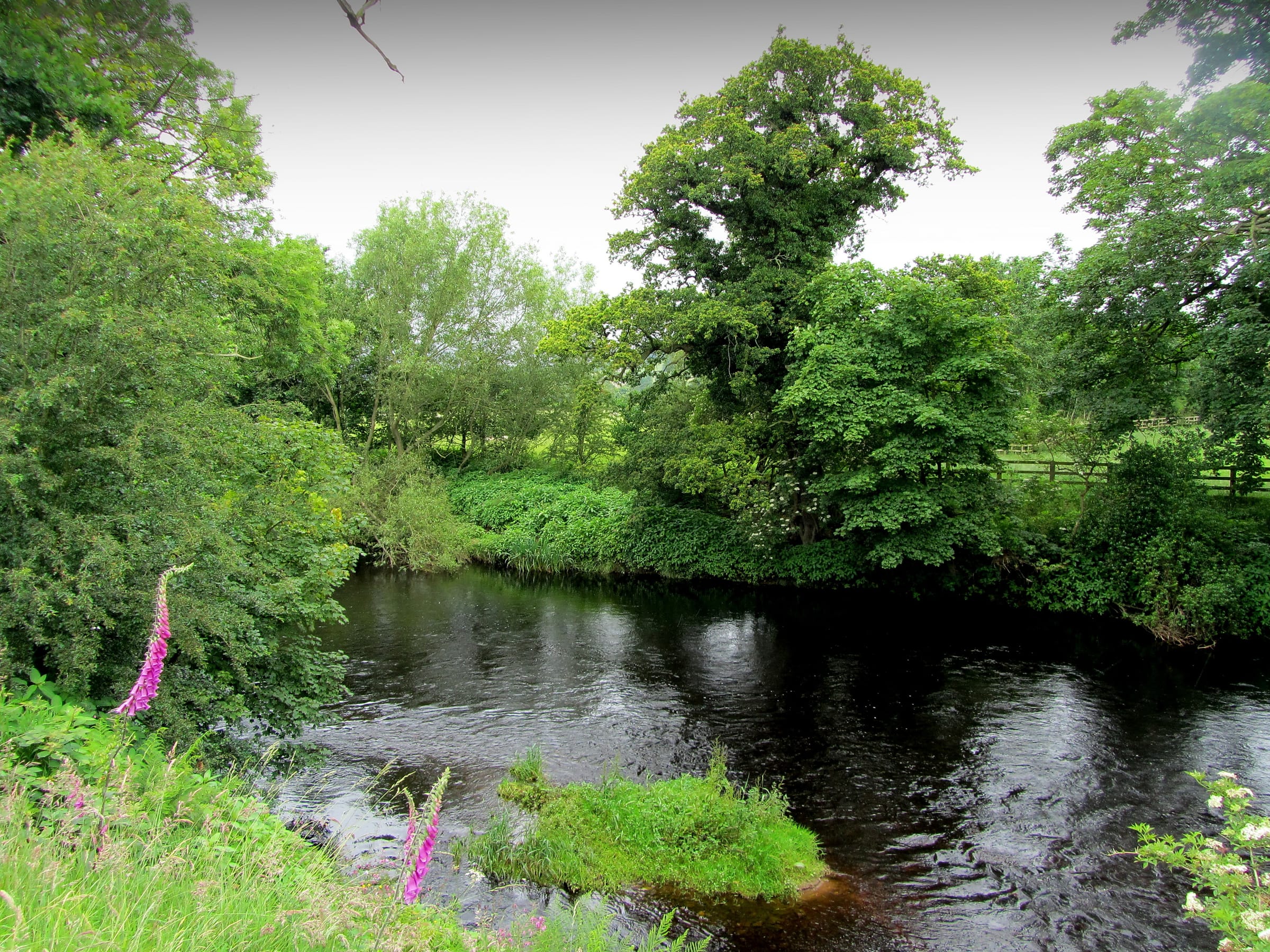
  2. The River Nidd running through green summer meadows between Hampsthwaite and Birstwith with wooded banks.
    River Nidd between Hampsthwaite and Birstwith
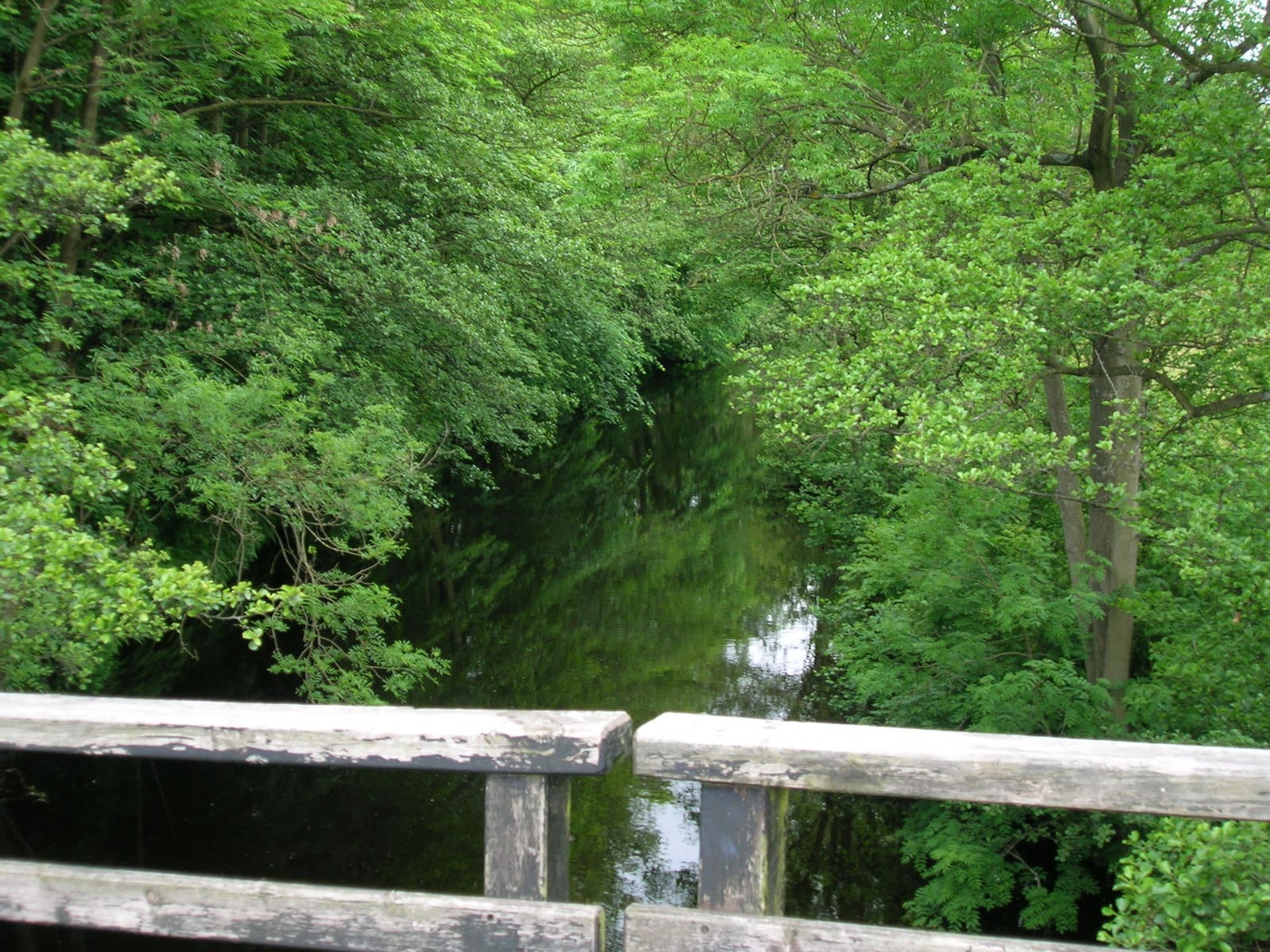
  3. A broad summer view of the River Nidd at Pateley Bridge with green riverside vegetation and gentle riffles.
    River Nidd, Pateley Bridge
  4. The River Nidd at Pateley Bridge in summer, clear shallow riffles over gravel with lush bankside vegetation.
    River Nidd, Pateley Bridge
  5. Terrain map of the venue
    Terrain map
About this water

Tree-lined, intimate river that rewards subtlety more than distance. Mix of faster runs and deeper pools; excellent for soft hackle spiders under the canopy where dappled light and overhanging branches demand short-casting technique. Grayling and brown trout respond to a quiet approach and careful wading. Club beats (Knaresborough Anglers, Nidderdale) offer structure and clear rules. The Nidd teaches you that not every river demands a 30-foot cast — sometimes the opposite is true.

Under the surface

The Nidd is the Wharfe's neighbour and sibling — a limestone river rising on the same Pennine fells, running roughly 51 kilometres south and east through the Yorkshire Dales and lower farmland to join the Ouse near York, draining a smaller catchment but carrying the same geological and cultural DNA. The upper reaches through Nidderdale are steep and confined, cut through pale limestone in riffle and step-pool sequences; the character is responsive and intimate, especially in the narrows where Bewerley and Old Brimham concentrate the flow. Below the narrows the river opens. Through Pateley Bridge and into the agricultural plateau, the Nidd settles into partly-confined pool-riffle sequences on the same durable limestone cobble that defines the Wharfe. The pools have form and character — deep outer banks where trout hold predictably, gravel bars where current has done the sorting work. The overall impression is of a river that belongs entirely to the Dales — working landscape and fishing landscape intertwined so completely you can't separate them. The Nidd fishes smaller than the Wharfe and receives less pressure; it rewards careful approach and good water-reading. Spider and nymph are effective methods; dry fly works when the olives come. The wading is secure on limestone once you read the surface texture. The river's gift is intimacy and character; the fishing rhythm is deliberate and observant, the kind of water that teaches you to slow down.

Wading: Limestone slabs — secure footing, smooth surface

  • Limestone
  • Partly confined
Water quality (WFD)
  • EcologyModerate
  • ChemicalFail
What this classification means

EA waterbody 'Nidd from Oak Beck to Low Bridge on Briggate' (GB104027068297) — the fished main stem through Knaresborough. Latest EA data (Cycle 3, 2022): Moderate ecological status. Chemical 'Fail' reflects the England-wide ubiquitous-substance failure (mercury and PBDE in biota); the 2022 cycle itself records chemical as 'does not require assessment'. Corrected 2026-06-18 from GB104027063760, which is Oak Beck (a Nidd tributary), not the main stem.

EA (England) · GB104027068297

The full read · show the working · for Brown Trout · confidence 90%
How the 2 is built — score × weight = contribution
Temperature1 × 28%0.3
Flow80 × 22%17.6
Clarity95 × 18%17.1
Feeding Time60 × 13%7.8
Pressure80 × 7%5.6
Insect activity48 × 12%5.8
Limiting factor: Water temperature (23.2°C) is outside Brown Trout's preferred range (10–16°C)= 54
Can you trust it?
Water temperatureair-to-water estimateestimated
Level / flowon-river gaugeobserved
Prey activitysurvey-backed invertebrate datasurvey
What would change the calculation
Cooler water — back toward the 10–16 °C ideal band — would lift the score and ease welfare.
The dawn and dusk windows score higher than the midday lull.
Directions
Seasons & zones
  • Trout 22 March30 September
  • Grayling 16 June14 March

    Nidderdale AC allows maggots only between 16 June and 14 March. From 1 October some marked lengths (e.g. Glasshouses) can be fished with bait; some lengths remain fly-only throughout. Check Nidderdale AC rules carefully before choosing tackle.

    Prime sport 1 September → 31 December

    • 16 Jun → 30 Sep · Fly only
    • 1 Oct → 14 Mar · Fly or bait-on-specified lengths
Related guides
Casting instructors near here
Booking & contacts